planning · comparison · updated 2026-08-23
Coachella vs. Bonnaroo: which festival actually fits you
People ask which one is "better" like Coachella and Bonnaroo are two flavors of the same thing. They're not. Coachella is a day festival on a polo field that happens to run two weekends; you can sleep in a hotel forty minutes away and never touch a tent stake. Bonnaroo is a camping festival on a working farm in Tennessee where your tent is the whole trip, not an add-on. Same rough size, same three-day-plus run time, completely different weekend.
That difference decides almost everything else on this list — what you pack, what you wear, how much you spend, and which kind of tired you are by Sunday. Here's where they actually split, using the real numbers from both festivals rather than the vague "vibes" comparison you'll find on most roundups.
The core split: day festival vs. camping festival
Coachella is not a camping festival for most attendees. You can buy an on-site camping pass, but the default experience is Airbnb or hotel in Palm Springs or Indio, drive or shuttle in every morning, drive out every night. Your bag gets checked at a gate and capped at 18 x 13 x 8.5 inches, which is basically the whole packing problem for most people, since your real luggage is sitting in a closet forty minutes away.
Bonnaroo flips that entirely. Your car is parked at your tent for four straight days, so everything you need (sleep system, shade, food, a way to deal with rain) comes with you and lives at your site. There's no going back to a hotel to reset, no closet with your real luggage in it. The festival and the campground are the same 700 acres, and by day two you'll understand why Bonnaroo veterans talk about "camp" as its own separate event from the music.
The weather test
Coachella runs 90 to 100°F through the afternoon in April, dropping into the 50s and low 60s after dark — a swing of 30-plus degrees that catches first-timers who packed only for the heat. It's dry heat, which hides how much you're actually sweating, and wind is the real wildcard: gusts strong enough to cancel a headline set and flatten camp tents hit in 2026.
Bonnaroo in June is a different kind of hot. Mid-90s with real Tennessee humidity, plus the genuine chance of a storm rolling through at least once over four days — heavy enough that the 2025 edition got cancelled after one day over flood risk. The Farm added drainage tiles and new access roads ahead of 2026, but the packing math hasn't changed: you need a rain plan Coachella never asks for, and you need it in a tent, not a hotel room you can retreat to.
What's actually different in the bag
Coachella's bag rules are strict but simple: one bag under 18 x 13 x 8.5 inches, water bottles empty and plastic under 64oz, aerosol sunscreen banned outright. Because you're not camping, that bag is close to your entire packing list for the day — sunscreen, a phone charger, a light layer for the temperature drop, done.
Bonnaroo's bag policy is smaller at the gate — a 6 x 9 inch clutch with one pocket, or a clear bag up to 12 x 6 x 12 inches if you need more room — but that's only the day bag you carry into Centeroo. The actual packing list is everything else sitting at your campsite: tent, sleeping pad, a shade structure, a cooler with two days of ice budgeted before the melt, and a full change of clothes sealed away in case the storm forecast turns real.
Cost and logistics beyond the ticket
Ticket price aside (check current pricing directly on each festival's site, since both move year to year), the hidden cost columns run in opposite directions. Coachella's extra spend is lodging: a hotel or Airbnb within driving distance of Indio during festival weekend, plus parking or rideshare twice a day, every day, for as many days as your weekend runs. Bonnaroo's extra spend is gear: a decent tent, a real sleeping pad, a cooler that can hold four days of ice, all one-time purchases that pay for themselves the second year you camp, and the year after that.
Coachella also has a logistics quirk worth knowing before you land on it by accident: there's no event parking at all on Thursday, and shuttles stop running about an hour after the music ends each night, so your ride plan needs deciding before the first night you actually need it. Bonnaroo's version of that problem is arrival-day traffic onto The Farm's gravel roads — plan to lose an afternoon to it and don't schedule anything for the first few hours after you meant to arrive.
The lineup and the crowd
Coachella's bill leans pop, rock, electronic, and hip-hop, with the kind of production budget that turns the polo field into a genuine art installation between stages. The crowd skews toward people who planned an outfit weeks in advance and are there as much for the day as the night — brunch, pool time, the show.
Bonnaroo's lineup runs rock, jam bands, electronic, and hip-hop with a heavier tilt toward bands people follow for years, not a single season, and a crowd built around camp culture as much as the main stage — the 2am drum circle, the neighbors who've had the same plot for a decade. If you want a festival where the campground itself is half the entertainment, that's Bonnaroo's actual selling point, not a side effect of camping being required.
Which one should you actually go to
Pick Coachella if you'd rather sleep in a real bed, don't own camping gear and don't want to buy any, run hot and dry better than hot and humid, and care about the outfit as part of the experience. Pick Bonnaroo if camping sounds like a feature rather than a tax, you want four days of one continuous experience instead of a day festival you drive to twice, and a jam-heavy or rock-heavy lineup pulls you harder than a pop-forward one.
If you're genuinely torn, let the practical stuff decide: Coachella is the lower-effort pack (one bag, one weather scenario, no gear investment) and Bonnaroo is the lower-cost repeat trip once you own the tent. Neither is the beginner-friendly one across the board — Coachella is easier to pack for, Bonnaroo is easier on your wallet the second time.
The gear that works for either
A few things earn a spot in the bag no matter which one you pick. A real insulated water bottle beats a disposable one at both — Coachella's heat means you're refilling constantly, and Bonnaroo's humidity means you're sweating out just as much even though it feels less obvious. Non-aerosol sunscreen is mandatory at Coachella and just as smart at Bonnaroo, where the shade situation depends entirely on what your camp built.
Past that, the lists diverge on purpose: a poncho and a tent belong at Bonnaroo and would be dead weight at Coachella, while a fanny pack for the no-camping bag problem matters more at Coachella, where your entire kit for the day has to fit on your body and clear an 18 x 13 x 8.5 inch check. Buy for the festival you're actually going to, not a generic "festival starter kit" that assumes both are the same trip and overpacks you for whichever one you didn't book.
Mentioned in this guide
The gear that does the work
As an Amazon Associate we earn from qualifying purchases. It never changes what we recommend.

Owala FreeSip 32 oz bottle
Fill it at every water station you pass. Insulated enough that the water is still cold at the headliner.
Check price on Amazon
Supergoop! PLAY Everyday Lotion SPF 50
One bottle for face and body, so you are not rationing a 3 oz tube across a weekend. Absorbs without the white cast, and holds up 80 minutes against sweat — which is roughly one set.
Check price on Amazon
ANYOO reusable rain poncho
An actual poncho, not a trash bag with sleeves. Packs to nothing, covers a daypack, and survives more than one storm.
Check price on Amazon
Fanttik instant cabin tent
Sets up in about a minute — which matters when you arrive at dusk with 40,000 other people. Rainfly included.
Check price on Amazon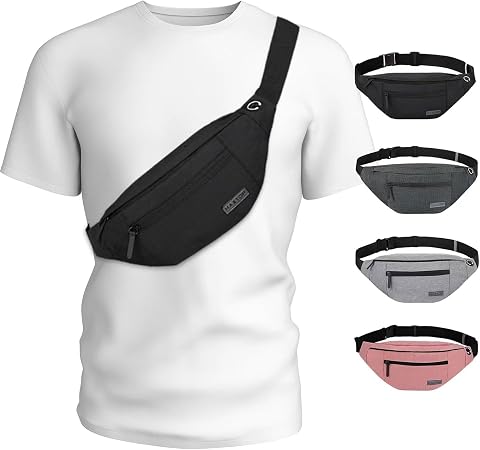
MAXTOP fanny pack
Four pockets, sits flat, fits under most size rules. Everything you need for the day, nothing bouncing on your back.
Check price on AmazonQuick answers
Asked and answered
Is Coachella hotter than Bonnaroo?
Coachella runs hotter on paper — 90 to 100°F afternoons versus Bonnaroo's mid-90s — but it's dry desert heat that drops 30-plus degrees at night. Bonnaroo's mid-90s come with real humidity and little overnight relief, plus the chance of a storm rolling through, which most people find harder to handle over four straight days than Coachella's dry, shorter exposure.
Do you need to camp at Coachella?
No. On-site camping passes exist, but most attendees stay off-site in Palm Springs or Indio and drive or shuttle in daily. Bonnaroo works the opposite way — camping is the default experience, and your tent sits at the festival for all four days.
Which is easier for a first festival, Coachella or Bonnaroo?
Coachella is the easier pack: one bag capped at 18 x 13 x 8.5 inches, one weather scenario, no gear to buy. Bonnaroo asks more of a first-timer upfront — a full camping setup — but rewards repeat visits once you own the gear, since the ticket-plus-lodging math at Coachella resets every single year.
What's the biggest packing difference between Coachella and Bonnaroo?
Coachella's packing list mostly lives in one bag under 18 x 13 x 8.5 inches, since you're going home to a hotel every night. Bonnaroo's real packing list is your entire campsite — tent, sleeping pad, shade, a cooler, and rain gear — with only a small clutch or clear bag actually going into the venue itself.