packing · planning · updated 2026-08-16
Festival packing lists for women and men: what actually differs
Most festival packing lists are written as if everyone is packing for the same body in the same outfit, and then they wonder why half the comments say "this doesn't apply to me." It mostly does — earplugs don't care what you're wearing, and neither does a dead phone. But a handful of real differences show up again and again, and they're not about preference. They're about what festival clothes are actually built like, how bathroom lines work at a hundred-thousand-person event, and who tends to skip sunscreen.
None of this is about identity or rules for who can pack what. It's about friction points that a lot of women hit and a lot of men don't, and a smaller set that runs the other way. Here's where the lists genuinely split, and where they don't.
The pocket problem
Men's festival clothing tends to keep pockets. Cargo shorts, cargo pants, a flannel over a tee — there's usually somewhere for a phone, a card, and a lighter that isn't a bag. Women's festival clothing skews toward crop tops, rompers, and mesh, almost none of which has anywhere to put anything. That single fact does more to shape a woman's packing list than anything else on it: the bag isn't optional, it's the whole system.
That's why a flat, four-pocket fanny pack shows up on so many women's festival lists and so few men's — it's solving a problem cargo pants already solved for free. If you're a guy whose outfit does have real pockets, skip the bag and thank the pants. If you're not, plan the bag first and build the outfit around what fits in it, not the other way around.
The sunscreen gap
Dermatology surveys keep finding the same pattern: men apply sunscreen less often and reapply even less than that, and skin cancer on the scalp and ears — the two spots a hat doesn't always cover and a part-line exposes — shows up disproportionately in men. None of that is festival-specific, but a festival is exactly the environment that punishes the gap: ten hours outside, often with a shaved head or a fade instead of a full head of hair doing the shading.
A big part of the reason women reach for sunscreen more is that they're already applying something to their face, so adding one more step barely registers. A lotion-format SPF that layers under makeup without leaving a white cast solves that for one group and would solve the whole problem for the other group too, if it got used. The fix isn't a different product by gender — it's the same bottle, applied by a lot fewer of the people who actually need it.
What women pack that men mostly don't
A cooling towel and a bandana both work for anyone standing in the sun for ten hours, but women's festival packing lists include them at a noticeably higher rate — probably because women's festival outfits leave more skin exposed and give heat fewer places to escape from a cropped top than a looser shirt does. Soak either one in water at a refill station and it becomes the fastest neck-temperature drop you own, gender aside.
The other category that shows up almost entirely on women's lists: backup hair ties, bobby pins, and a small mirror. None of it is heavy or expensive, and all of it solves the same problem — hair that has to survive ten hours of dancing, sweat, and wind without becoming its own daily crisis. Men's hair, on average, needs less daily maintenance to stay out of the way, so the gap here is really about hair length and styling time, not gender as such.
What men pack that women mostly don't
The list runs shorter here, and that's honest, not a cop-out. The clearest gender-skewed gap on the men's side is under-packing sun protection generally — not just sunscreen, but hats too. Survey after survey on outdoor sun habits finds men are less likely to own or wear a wide-brim hat, more likely to call a baseball cap sufficient (it isn't; it does nothing for ears or neck), and more likely to be the person asking to borrow someone else's aloe vera on day three.
The other real difference is clothing bulk in the heat. Men's festival outfits run heavier on denim and thicker fabric than women's crop-top-and-shorts combinations, and thicker fabric holds body heat a looser or more exposed outfit doesn't. If that's your look, budget more water and more shade breaks than the women standing next to you in mesh, because you're wearing more insulation than they are, festival or not. None of this means switch outfits — it means account for the one you're actually wearing instead of packing water like everyone's equally exposed to the sun.
The bathroom-line math
This one isn't a style choice, it's plumbing and time. Public-restroom research on "potty parity" has documented for years that women's restroom lines run longer than men's even with equal fixture counts, because a stall takes longer per person than a urinal does, and porta-potty setups at festivals almost never correct the ratio to account for it. The practical upshot: women should budget real time for bathroom trips that men mostly don't have to think about, especially around set changes when everyone moves at once.
This is also where period logistics live, and that gets a full treatment of its own — the wipe-down routine, product choice, and disposal bags are covered in our festival hygiene guide rather than repeated here. The one line worth repeating: don't wait for the line to look short, because at a festival it rarely does, and holding it for hours is a worse trade than missing two minutes of a mid-card set.
Where the list is exactly the same
Strip away clothing and grooming habits and the core list stops caring who's wearing it. Earplugs, a full water bottle on a schedule, a power bank on your body, blister care before the blister happens, salty snacks by the afternoon — none of that reads male or female, and treating it that way is how people end up skipping the boring items that actually save the weekend. The gendered differences above are real, but they're additions to a shared foundation, not a replacement for it.
If you only have room in your head for one takeaway, make it this: pack for your actual outfit and your actual hair, not for a generic idea of your gender. A man in a crop top and mesh has the same bag problem described above; a woman in cargo pants and a flannel has the same pockets everyone else with cargo pants has. The clothes create the friction, not the person wearing them.
Mentioned in this guide
The gear that does the work
As an Amazon Associate we earn from qualifying purchases. It never changes what we recommend.
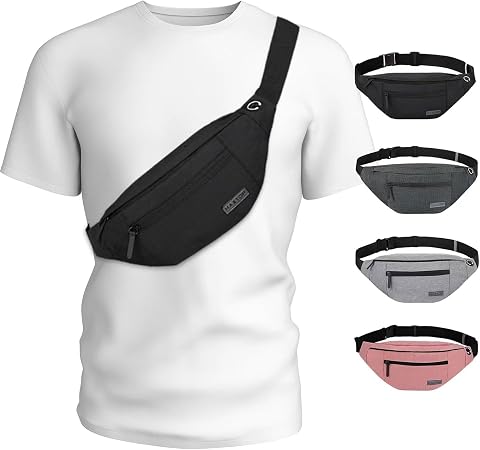
MAXTOP fanny pack
Four pockets, sits flat, fits under most size rules. Everything you need for the day, nothing bouncing on your back.
Check price on Amazon
JMIERR cargo pants
Streetwear cargos with enough pockets to skip the bag line entirely. The techwear read is free.
Check price on Amazon
Supergoop! PLAY Everyday Lotion SPF 50
One bottle for face and body, so you are not rationing a 3 oz tube across a weekend. Absorbs without the white cast, and holds up 80 minutes against sweat — which is roughly one set.
Check price on Amazon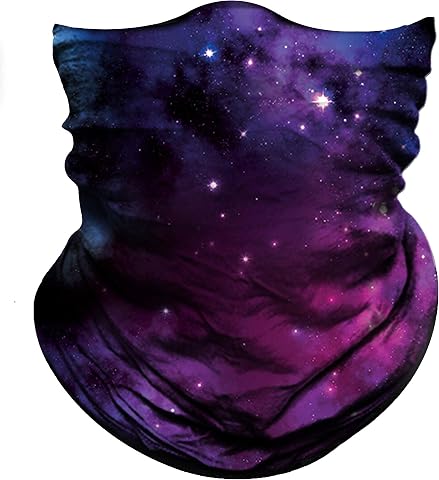
Obacle dust bandanas
Breathable face cover for dust, wind, and sun. Works soaked in water as emergency AC.
Check price on Amazon
Sukeen cooling towels (4-pack)
Wet it, wring it, and it drops your neck temperature fast. Four in a pack means the whole crew gets one.
Check price on AmazonQuick answers
Asked and answered
What should women pack differently for a festival?
Plan the bag first, since most women's festival outfits skip pockets entirely — a flat fanny pack or small crossbody is the fix. Add a cooling towel and bandana for exposed-skin heat, backup hair ties and a small mirror for hair maintenance, and budget real time for restroom lines, which run longer than men's even at equal fixture counts.
What should men pack differently for a festival?
The main gaps are sun protection and heat management: men skip sunscreen and wide-brim hats more often than women do, and men's festival outfits tend to run heavier on denim and thicker fabric, which holds more body heat than a cropped or mesh outfit. Budget extra water and shade breaks if that's your look, and don't let cargo pockets talk you out of sunscreen.
Do women really need more bag space at festivals?
Usually, yes, because the outfit is doing less of the storage work. Cargo shorts and flannels give men functional pockets for free; crop tops, rompers, and mesh mostly don't. That's why a dedicated bag shows up on far more women's festival lists than men's — it's compensating for pockets the outfit doesn't have, not a preference.
Is sunscreen really different by gender at festivals?
The product doesn't need to be different — the habit does. Dermatology surveys consistently find men apply and reapply sunscreen less often than women, and scalp and ear skin cancers show up disproportionately in men, often linked to less hair coverage and lower reapplication. A lotion SPF that layers under makeup solves it for one group by habit; it would solve it for everyone if more people actually used it.