family · planning · packing · updated 2026-10-11
Taking kids to a music festival: what actually works
A music festival with a stroller in it sounds like a contradiction until you've seen one. Glastonbury runs two entire camping fields reserved for families on top of a free-admission Kidzfield. Bonnaroo has Kidz Jam, a nonprofit-run tent handing out free instrument-building activities all weekend. Austin City Limits runs Austin Kiddie Limits, a dedicated kids' area with its own stage and crafts. That's real infrastructure, not marketing dressed up as tolerance, and it only pays off if you plan around it instead of discovering it on day two.
The mistake most parents make isn't about gear. It's picking the wrong festival, then trying to pack their way out of a bad fit. A five-year-old doesn't care how good your rain jacket is if the only festival within driving distance runs until 4am and sells nothing but energy drinks. Pick right first. Then pack.
Pick a festival built for this, not one that merely allows it
Glastonbury, Bonnaroo, and Austin City Limits each treat kids as a planned-for audience rather than an afterthought. Glastonbury waives admission entirely for anyone 12 and under and sets aside two family camping fields, Cockmill Meadow and Wicket Ground, right by the Kidzfield's free activities. Bonnaroo's family section sits inside the general admission campground as a quieter corner, and Kidz Jam runs free, hands-on activities — instrument-making, kaleidoscope crafts — all four days. Lollapalooza runs its own version too, called Kidzapalooza, though its downtown Chicago setting and later set times make it feel more like a bonus than a built-for-families trip the way Glastonbury or Bonnaroo's camping fields do.
The real surprise is Burning Man. Kidsville is a fenced, car-free cooperative village inside Black Rock City built specifically for families — every registered camp there has to include at least one kid under 18, adults supervise at all times, and the village runs its own greeter shifts and a kids' program called Black Rock Scouts. Burning Man's own ticket policy waives admission entirely for anyone 12 and under. It's not the first festival that comes to mind for a six-year-old — which is probably why most parents never look into it.
Fuji Rock, oddly, might be the most kid-friendly of the big ones and the least advertised for it. The festival's own rulebook carves out a dedicated Kids Forest between two of the main stages — close enough that the music carries, far enough that nobody's toddler ends up at the crowd barrier. Mountain air in the 1,000-meter Naeba valley also spares families the flat, shadeless heat that wrecks a hot-weather festival afternoon everywhere else on this list.
Two to skip if a kid is coming along: Ultra Miami has run as an 18-and-over event since adopting the policy for its 2015 edition, following a rough 2014 festival, and EDC Las Vegas is built around an overnight, dusk-till-dawn schedule that doesn't suit any version of a bedtime. Both are well-run festivals for a different crowd. No amount of packing fixes a festival that starts at 11pm.
The ticket fine print nobody reads
Free admission for young kids is common, but the exact age moves depending on which festival you're reading about. Lollapalooza, Bonnaroo, and Austin City Limits currently draw the line at 8 and under, free with a ticketed adult, capped at two kids per adult. Glastonbury's cutoff is more generous: anyone 12 and under gets in at no charge. None of these numbers are guaranteed to hold next year, so check the specific festival's current ticket page before counting on a figure from a blog post, including this one.
Upgrade tiers complicate it further. Lollapalooza's Platinum ticket requires a separate Platinum Kids ticket for ages 3 through 8, even though the same kid rides free on a standard general admission ticket — only kids 2 and under are free in Platinum. If a VIP or cabana upgrade is part of the plan, read that tier's kids policy on its own, since festivals tend to write it as a separate rule rather than the standard policy scaled up.
Hearing protection isn't optional with a kid's ears
Front-of-stage sound at a major festival sits loud enough to cause measurable hearing damage in adults over a single set, the kind of volume every working sound engineer in the building wears earplugs against. Kids are more vulnerable at the same decibel level, and a four-year-old usually can't tell you their ears hurt until something's already wrong. Earplugs for every kid in the group isn't optional gear. It's the one item on this whole list that matters more than everything else combined.
A two-pack like the budget Hearprotek earplugs works well here for a simple reason: buy one pack and the parent and the kid each get a matched pair, instead of sharing one set back and forth at the rail. For an infant or toddler who can't reliably keep a foam insert seated, skip foam entirely and use padded, headphone-style hearing protection made for that age — pediatric guidance consistently prefers it over foam plugs for exactly that reason. And for anyone under about six, skip the barrier altogether. Watch from well back, where the volume has already dropped, instead of treating earplugs as the only line of defense.
Heat, shade, and the meltdown clock
Kids overheat faster than adults do — smaller bodies lose the fight with a hot afternoon sooner, and a toddler having fun won't mention they're cooking until the meltdown starts. Treat shade breaks as scheduled events, not optional ones: cap open-sun stretches around 45 minutes to an hour, then retreat somewhere with actual shade, not just a hat brim. A pop-up canopy like the Crown Shades 10x10 at the campsite earns its space here as the default nap-and-reset spot, not just gear storage.
Reapply sunscreen on a schedule too, and pick a formula a kid won't rub straight into their eyes — a non-greasy option like Neutrogena's Clear Face SPF 50 goes on without the sting that turns most kids against the next application. A cooling towel, soaked and wrung out at any refill station, drops a hot, overtired kid's neck temperature faster than anything short of real shade, and it packs down to nothing in a day bag.
The lost-kid plan comes before the packing list
Build the lost-kid plan before the packing list, not after. Pick one meeting point that doesn't move — a specific sign, a flagpole, a landmark a kid could describe to a stranger — and walk to it together on arrival day so it isn't abstract. Write a phone number directly on a kid's arm in marker, or put it on a wristband; it's the single most repeated piece of advice across family-festival guides for a reason, and it works when a dead phone and a scared kid otherwise leaves nobody able to reach anybody.
Dress kids in one specific, bright item for the day rather than just "something colorful" — a color nobody else nearby is wearing works better than a pattern. And tell them exactly who to approach if separated: festival staff in vests, an info booth, anyone with a lanyard, not just "find a grown-up," which describes several thousand strangers at once.
Family camping runs on a different clock
Where a dedicated family camping area exists, use it, and ask early. Bonnaroo's family section sits inside the general admission campground, and you request it at the tollbooth on arrival rather than booking it ahead of time. Glastonbury's two family fields, Cockmill Meadow and Wicket Ground, don't take reservations either and fill up fast, so lean toward the early side of your arrival window if a quiet corner near the Kidzfield matters to the trip.
A kid's bedtime doesn't move for a headliner, and a tent three rows from a sound system running until 1am is a worse trade than a longer walk to the stage the next morning. Decide that trade-off before the tent goes up, not at 11pm on night one with the bass still going and a six-year-old wide awake in the next sleeping bag.
Pace the day like a five-year-old, not like you used to
Everything the general first-timer pacing advice says applies twice as hard with a kid attached. Budget for one headliner a day, not a full schedule, and remember that the walking distance between stages that barely registers for an adult reads very differently to someone with much shorter legs. A fanny pack that sits flat and keeps both hands free, like the MAXTOP, matters more here than at any adult-only festival — one hand is usually holding a kid's hand, and the other needs to be free for the inevitable "carry me" around hour six.
Snacks on a schedule beat snacks on demand, for the same reason the adult hydration math works: waiting until a kid is visibly hungry or thirsty means already being behind. Keep a small first-aid kit like the Protect Life mini kit within easy reach, not back at camp — a scraped knee on the walk between stages is close to guaranteed, and treating it in two minutes beats carrying a crying kid half a mile back to the tent.
Mentioned in this guide
The gear that does the work
As an Amazon Associate we earn from qualifying purchases. It never changes what we recommend.

Hearprotek concert earplugs (2 pairs)
The budget pick. Two pairs with a keychain case, so losing one at the rail doesn't end your weekend.
Check price on Amazon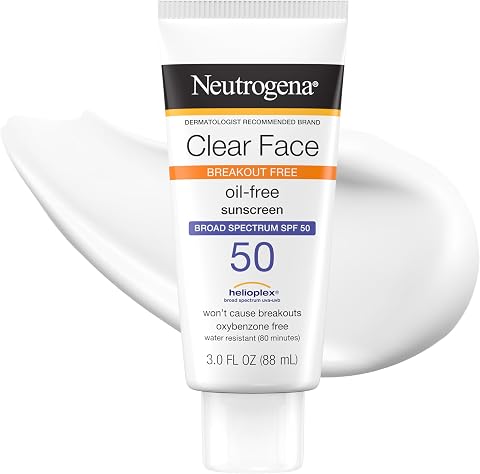
Neutrogena Clear Face SPF 50
Non-greasy face sunscreen that won't sweat into your eyes by the third set. The 3 oz size clears most gate rules.
Check price on Amazon
Sukeen cooling towels (4-pack)
Wet it, wring it, and it drops your neck temperature fast. Four in a pack means the whole crew gets one.
Check price on Amazon
Crown Shades 10x10 pop-up canopy
Shade turns a campsite from survivable to pleasant. One-push setup, and the side wall blocks low morning sun.
Check price on Amazon
Protect Life mini first aid kit
100 pieces in a pouch smaller than a paperback. The med tent is for emergencies; this is for everything else.
Check price on Amazon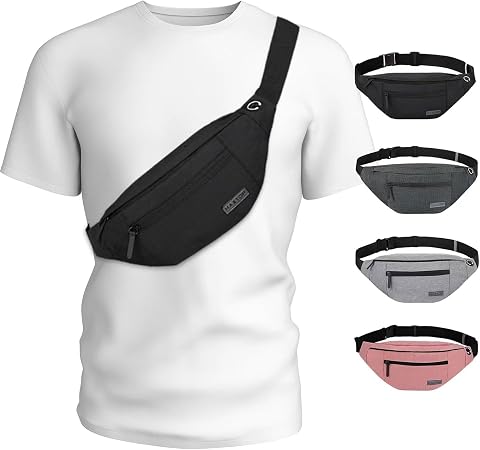
MAXTOP fanny pack
Four pockets, sits flat, fits under most size rules. Everything you need for the day, nothing bouncing on your back.
Check price on AmazonQuick answers
Asked and answered
What age can kids go to a music festival?
It depends entirely on the festival, not a single industry-wide rule. Several major US festivals, including Lollapalooza, Bonnaroo, and Austin City Limits, currently admit kids 8 and under free with a ticketed adult, capped at two kids per adult, while Glastonbury's free cutoff is 12. A few festivals, like Ultra Miami, don't admit anyone under 18 at all. Check the specific festival's current ticket terms rather than assuming one age applies everywhere.
Which festivals are actually good for bringing kids?
Look for dedicated kids' programming, not just a tolerant age policy. Glastonbury's Kidzfield and two family camping fields, Bonnaroo's Kidz Jam, Austin City Limits' Austin Kiddie Limits, and Fuji Rock's Kids Forest are all built specifically around younger kids, with activities and quieter zones separate from the main stages. Skip overnight, adults-leaning events like Ultra Miami or EDC Las Vegas if a kid is coming.
Do kids need earplugs at a festival?
Yes. Front-of-stage volume is loud enough to damage adult hearing in a single set, kids are more vulnerable at the same decibel level, and a young kid often can't say their ears hurt until it's already a problem. Use matched earplugs for every kid, padded headphone-style protection instead of foam for infants and toddlers, and keep anyone under about six well back from the barrier regardless.
What's the most common thing parents forget when bringing kids to a festival?
A fixed, specific meeting point and a phone number written on the kid's arm or a wristband. Festival crowds swallow a cell signal fast, and "we'll just text" falls apart exactly when it matters. Walk to the meeting point together on arrival day so it isn't abstract, and dress kids in one distinctly bright item that isn't already common in that day's crowd.